Trends in 3D Printing Design: Shaping the Future of Manufacturing
3D printing has moved beyond a prototyping tool to become a cornerstone of modern manufacturing. As an engineer deeply involved in additive manufacturing, I see the design aspect evolving rapidly. The way we approach 3D printing design today will define how industries innovate tomorrow. This post breaks down the key trends shaping this evolution and offers practical insights for entrepreneurs ready to leverage these changes.
Emerging Trends in 3D Printing Design
The design process for 3D printing is no longer about simply replicating traditional manufacturing parts. It’s about rethinking what’s possible when constraints like tooling and assembly are removed. Here are the most significant trends I observe:
Generative Design and AI Integration
Generative design uses algorithms to create optimized structures based on performance goals. AI accelerates this by analyzing vast data sets to suggest designs that balance strength, weight, and material use. This means parts can be lighter, stronger, and cheaper to produce.
Multi-Material and Functionally Graded Designs
Advances in printer technology now allow multiple materials to be printed in a single build. This enables parts with varying properties—rigid in some areas, flexible in others—without assembly. Functionally graded materials improve performance and durability.
Topology Optimization
This technique removes unnecessary material from a design while maintaining structural integrity. It’s a perfect match for 3D printing, which can produce complex geometries impossible with traditional methods.
Sustainability-Focused Design
Designers are increasingly prioritizing material efficiency and recyclability. Lightweighting parts reduces material consumption and energy use during printing and operation.
Customization and On-Demand Production
The ability to tailor products to individual needs without retooling is a game-changer. This trend is especially strong in medical devices, consumer goods, and aerospace components.

How Trends in 3D Printing Design Impact Manufacturing
Understanding these trends is critical for entrepreneurs aiming to stay competitive. Here’s how they translate into real-world advantages:
Reduced Time to Market
Generative design and AI reduce design cycles from weeks to days. Rapid iteration means faster product launches.
Cost Efficiency
Optimized designs use less material and require fewer post-processing steps. Multi-material printing cuts down assembly costs.
Enhanced Product Performance
Topology optimization and functionally graded materials improve strength-to-weight ratios and durability.
Greater Flexibility
Customization and on-demand production allow businesses to respond quickly to market changes and customer preferences.
Sustainability Gains
Efficient designs reduce waste and energy consumption, aligning with global sustainability goals.
For entrepreneurs, these trends mean investing in design software and skills is as important as investing in printers themselves. Partnering with engineering experts who understand these design principles can unlock the full potential of additive manufacturing.
Can you 3D print silicone beads?
Silicone is prized for its flexibility, durability, and biocompatibility, making it ideal for medical, wearable, and consumer applications. However, 3D printing silicone beads presents unique challenges:
Material Properties
Silicone’s viscosity and curing process differ from typical thermoplastics. It requires specialized printers that can handle liquid or paste-like materials and cure them precisely.
Printing Technologies
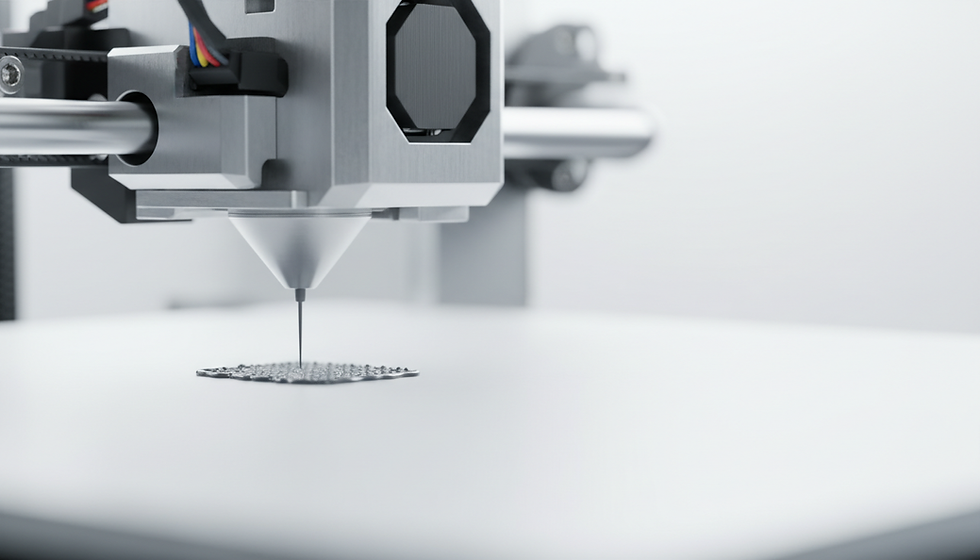
Direct Ink Writing (DIW) and Liquid Deposition Modeling (LDM) are commonly used for silicone. These methods extrude silicone in bead form, layer by layer, then cure it with UV light or heat.
Design Considerations
When designing silicone beads for 3D printing, factors like bead size, spacing, and curing time must be optimized to ensure structural integrity and flexibility.
Applications
Printed silicone beads are used in soft robotics, custom seals, and medical implants where traditional manufacturing falls short.
While 3D printing silicone beads is still emerging, advances in material science and printer technology are making it increasingly viable. Entrepreneurs should monitor this space closely, as it opens new avenues for innovation in flexible and biocompatible products.

Practical Recommendations for Entrepreneurs in Additive Manufacturing
To capitalize on these design trends, here are actionable steps:
Invest in Advanced Design Tools
Adopt software that supports generative design, topology optimization, and multi-material modeling. Tools like Autodesk Fusion 360 or nTopology are industry standards.
Build Cross-Disciplinary Teams
Combine expertise in materials science, mechanical engineering, and software development. This diversity accelerates innovation.
Focus on Material Selection Early
Material properties dictate design constraints. Collaborate with material suppliers to understand capabilities and limitations.
Prototype Rapidly and Iterate
Use 3D printing to test multiple design iterations quickly. Collect data on performance and refine accordingly.
Prioritize Sustainability
Design with recyclability and minimal waste in mind. This not only reduces costs but also appeals to environmentally conscious customers.
Leverage Partnerships
Work with production partners who offer high-quality, precision manufacturing. This ensures your designs translate into reliable products.
Stay Informed on Regulatory Changes
Especially in medical and aerospace sectors, compliance impacts design choices. Early awareness prevents costly redesigns.
Looking Ahead: The Role of Precision Manufacturing Innovation
The future of 3D printing design is bright and full of opportunity. As we integrate smarter design tools, new materials, and advanced printing techniques, the boundary between concept and product will continue to shrink. Entrepreneurs who embrace these trends will lead the next wave of manufacturing innovation.
At BAMS, we aim to simplify complex engineering challenges and connect entrepreneurs with high-quality German-engineered production. This partnership model accelerates the journey from innovative design to market-ready product, fostering precision manufacturing innovation from Dubai and beyond.
The future of 3d printing design is not just about technology. It’s about reimagining how products are conceived, designed, and delivered. By focusing on design excellence and strategic collaboration, businesses can unlock unprecedented value and agility in their manufacturing processes.
By understanding and applying these trends, you position your venture at the forefront of additive manufacturing. The tools and knowledge are available—now is the time to act.


Comments