Trends in 3D Printing Design: Exploring the Future of Additive Manufacturing
3D printing has evolved from a prototyping novelty to a cornerstone of modern manufacturing. As entrepreneurs in additive manufacturing, understanding the trends shaping 3D printing design is essential to stay competitive and innovate effectively. The technology is no longer just about creating shapes layer by layer; it’s about integrating design, materials, and production processes to unlock new possibilities.
Emerging Trends in 3D Printing Design
The design landscape in 3D printing is shifting rapidly. Here are some of the most significant trends shaping the industry today:
1. Design for Functionality and Efficiency
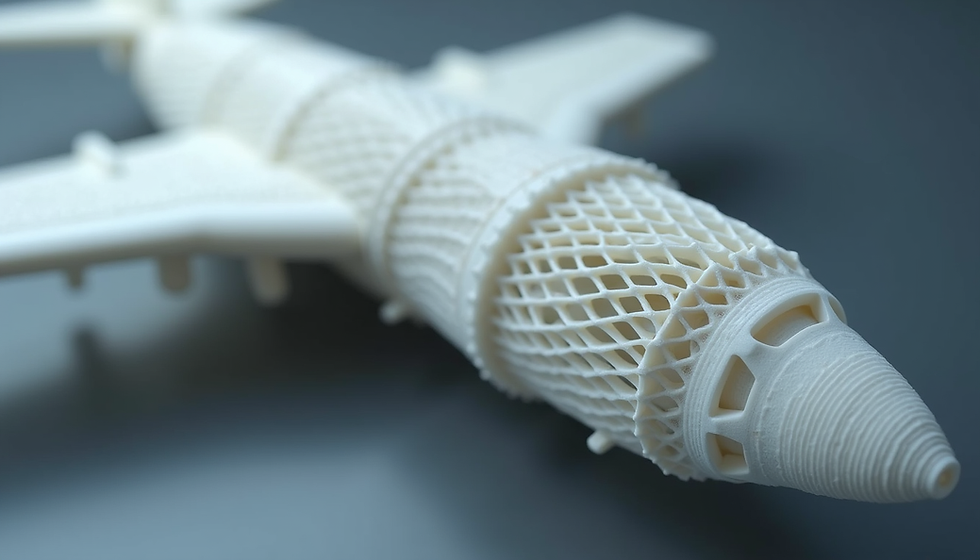
Designers are moving beyond aesthetics to focus on functionality. This means creating parts that are lighter, stronger, and more efficient. Topology optimization software is a key tool here. It removes unnecessary material while maintaining structural integrity, resulting in parts that perform better and cost less to produce.
For example, aerospace components benefit greatly from this approach. A bracket designed with topology optimization can reduce weight by up to 40% without compromising strength. This directly translates to fuel savings and improved performance.
2. Multi-Material and Hybrid Designs
The ability to print with multiple materials in a single build is expanding design possibilities. Combining rigid and flexible materials, or conductive and insulating ones, allows for integrated functionality in one part. This reduces assembly steps and improves reliability.
Consider wearable devices that require both soft, skin-friendly surfaces and rigid internal structures. Multi-material printing enables these complex designs to be produced in one go, cutting down lead times and costs.
3. Customization at Scale
Mass customization is becoming a reality thanks to 3D printing. Entrepreneurs can offer personalized products without the need for expensive tooling changes. This is particularly impactful in medical devices, dental implants, and consumer goods.
For instance, dental aligners tailored to individual patients can be produced quickly and accurately. This level of customization improves patient outcomes and satisfaction.
Trends in 3D Printing Design: What Entrepreneurs Need to Know
Understanding these trends is crucial for entrepreneurs aiming to leverage additive manufacturing effectively. Here’s what to focus on:
Embrace Software Tools That Enhance Design
Advanced CAD and simulation tools are no longer optional. They enable designers to predict how parts will behave under real-world conditions, optimize material use, and reduce trial-and-error cycles. Investing in these tools pays off by accelerating development and improving product quality.
Prioritize Material Innovation
Material science is a driving force behind new design capabilities. Keep an eye on developments in polymers, metals, ceramics, and composites tailored for 3D printing. Materials with enhanced mechanical properties, biocompatibility, or thermal resistance open new markets and applications.
Integrate Design and Manufacturing
Designers and manufacturers must collaborate closely. Design decisions should consider the capabilities and limitations of the printing technology to avoid costly redesigns. This integration streamlines workflows and ensures parts are production-ready from the start.
Can You 3D Print Silicone Beads?
Silicone is prized for its flexibility, durability, and biocompatibility, making it ideal for medical, automotive, and consumer products. However, 3D printing silicone beads presents unique challenges.
Challenges in Printing Silicone
Silicone’s viscosity and curing requirements differ significantly from thermoplastics. Traditional extrusion-based printers struggle with consistent deposition and curing of silicone. Additionally, achieving fine resolution and mechanical strength in printed silicone parts requires specialized equipment.
Current Solutions and Innovations
Recent advances include:
Liquid Silicone Rubber (LSR) Printing: This technique uses a liquid form of silicone that cures rapidly under UV or heat. It allows for more precise control and better surface finish.
Hybrid Processes: Combining 3D printing with molding or casting to produce silicone beads with complex shapes.
Material Formulation: Developing silicone blends optimized for printing, balancing flow properties and curing speed.
While fully 3D printed silicone beads are not yet mainstream, ongoing research and development suggest they will become viable soon. Entrepreneurs should monitor these advancements to capitalize on emerging opportunities.
Practical Recommendations for Entrepreneurs in Additive Manufacturing
To harness the full potential of 3D printing design trends, consider the following actionable steps:
Invest in Training and Expertise: Build a team skilled in both design and additive manufacturing technologies. Understanding the nuances of 3D printing enables smarter design choices.
Collaborate with Material Suppliers: Stay informed about new materials and test them early. Material innovation often drives new product capabilities.
Adopt Agile Design Processes: Use iterative design and rapid prototyping to refine parts quickly. This reduces time to market and improves product fit.
Leverage Digital Twins: Simulate and analyze parts digitally before printing. This reduces waste and ensures performance.
Focus on Sustainability: Design parts that minimize material use and enable recycling. Sustainable practices are increasingly important to customers and regulators.
Looking Ahead: The Future of 3D Printing Design
The future of 3d printing design is bright and full of potential. As technology matures, expect tighter integration between design, materials, and manufacturing processes. This will unlock new applications in aerospace, healthcare, automotive, and consumer products.
Entrepreneurs who embrace these trends and invest in the right capabilities will lead the next wave of innovation. Precision manufacturing, powered by additive techniques and supported by high-quality German engineering, will become the standard. This synergy will drive efficiency, customization, and sustainability in production.
The path forward demands a clear vision, technical expertise, and a willingness to experiment. By focusing on these areas, you can position your business at the forefront of additive manufacturing innovation.
This overview provides a clear roadmap for navigating the evolving landscape of 3D printing design. The future is not just about printing parts but designing smarter, more functional, and sustainable products that meet tomorrow’s challenges today.


Comments